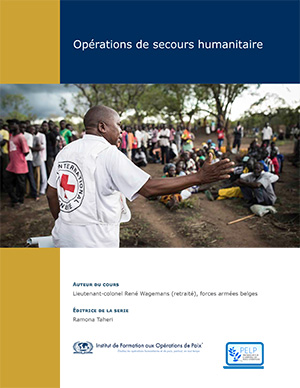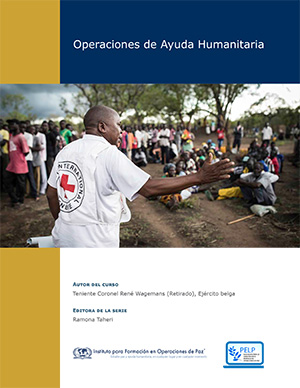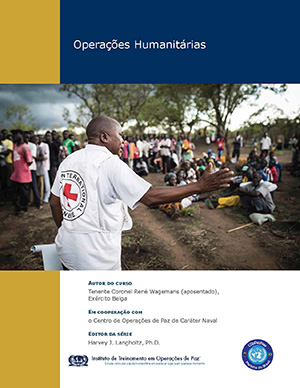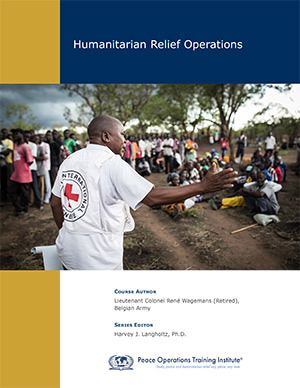
Each disaster or emergency is different, and so is each humanitarian relief operation. Understanding the dynamics of a disaster and all the actors involved is essential to provide adequate assistance to the affected population and government. Over the years, some have criticized the humanitarian community for the conduct of certain humanitarian actions. Practitioners have not always applied the lessons previously learned from humanitarian relief operations. Numerous documents and manuals have recorded best practices leading to a better response when applied. Unfortunately, humanitarian action is not an exact science and will depend on the ability and adaptability of the humanitarian worker to the situation on the ground. Major disasters often lead to the creation of an additional layer of rules and directives, making the situation increasingly complex for “outsiders”. This course attempts to simplify these concepts as much as possible by focusing on the most important aspects to demystify this complex environment. At the same time, this course provides much practical information on the different types of disasters and how to interact with some entities and structures often deployed in the field. The 2021 edition of the course includes definitions and principles, recent doctrine on humanitarian relief activities, and recent examples of humanitarian relief operations. .
Lessons: 9
Number of pages: 230 [English]
Estimated reading time: 14 hours
Publisher: Peace Operations Training Institute [22-03-2021]