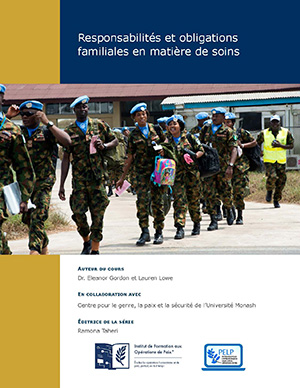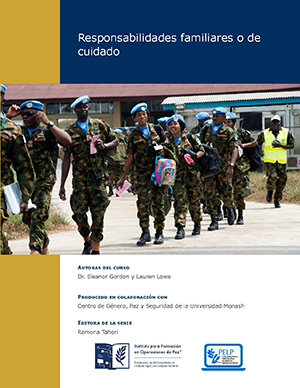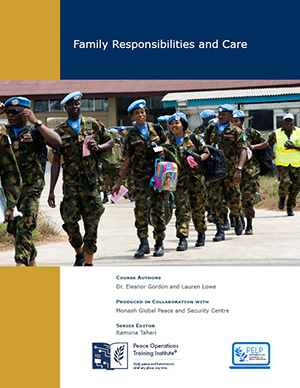
This course examines how family and caring responsibilities affect the recruitment, retention, well-being, and career progression of uniformed personnel in the security sector and United Nations peace operations. Drawing on extensive global research — including interviews and surveys of peacekeepers and security personnel across multiple countries and missions — the course explores the gendered nature of unpaid care work, the stigma surrounding caring responsibilities, and the biases that caregivers face in security institutions. Across six lessons, students will learn: how caring responsibilities impact access to training, deployment, and leadership opportunities; how family separation during deployment affects well-being and operational effectiveness; and what individuals, leaders, and organizations can do to build more inclusive, care-attentive workplace cultures. The course also examines global policy frameworks, including the Women, Peace, and Security agenda and the UN Uniformed Gender Parity Strategy, and equips students with practical strategies for self-care, peer support, and organizational change. It is developed with funding from Global Affairs Canada as part of the Elsie Initiative for Women in Peace Operations.
Lecciones: 6
Número de páginas: 89 [English]
Horas de lectura estimadas: 6 horas
Editorial: Peace Operations Training Institute [21-05-2026]